
The Complete Guide to Corporate Uniforms in Australia for 2026
Everything Australian businesses need to know about ordering corporate uniforms — from product selection and decoration methods to budgeting and turnaround times.

Written by
Riley Monk
Custom Apparel
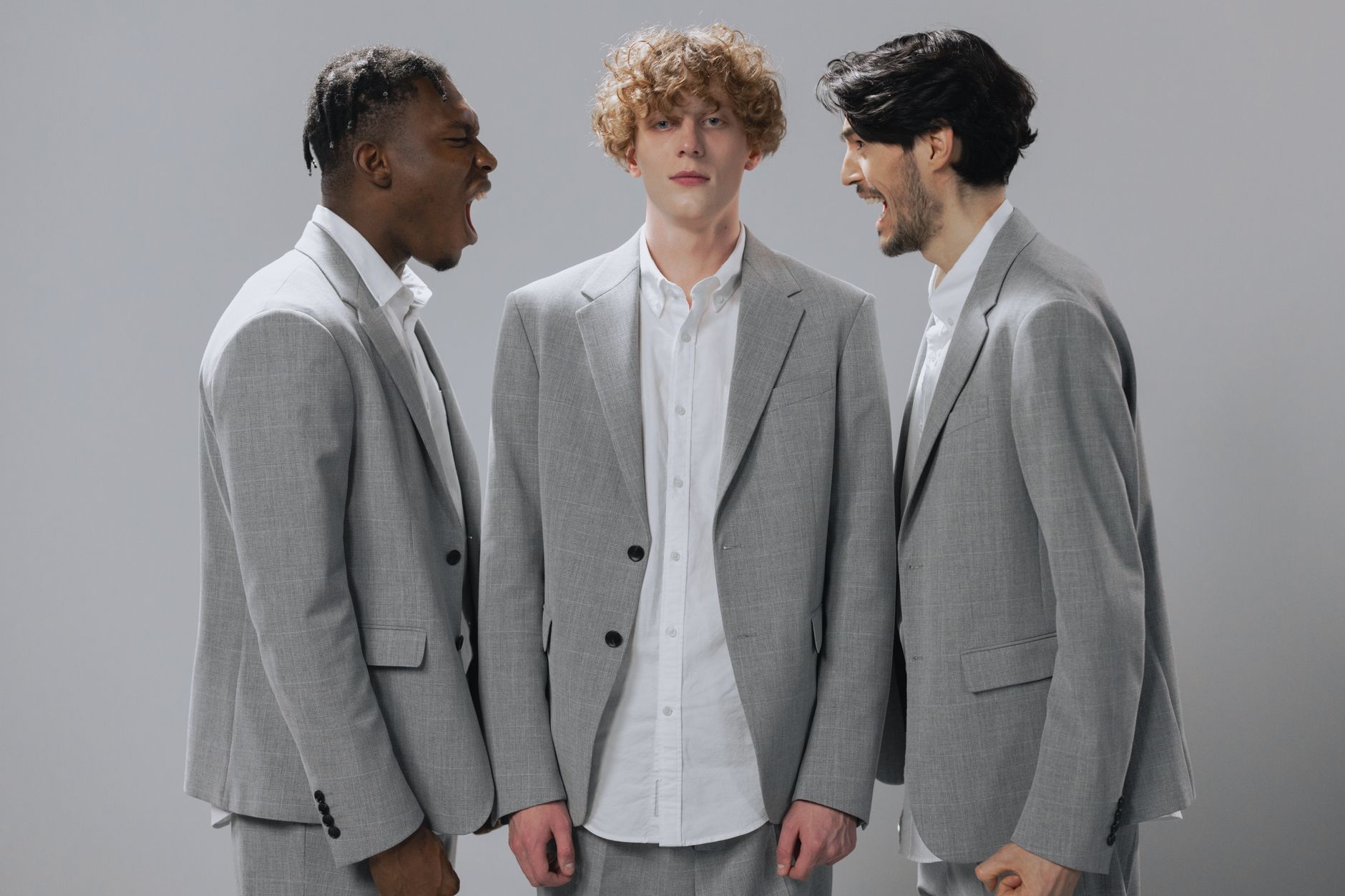
Walk into any professional office in Sydney, step onto a construction site in Perth, or visit a retail store in Melbourne, and you’ll notice something immediately: uniforms matter. Corporate uniforms in Australia have evolved far beyond a basic polo shirt with an embroidered logo. Today, they’re a powerful brand statement, a tool for team cohesion, and a practical investment that pays dividends across industries. Whether you’re outfitting a team of five or five hundred, getting your corporate uniform programme right from the start saves time, money, and a whole lot of frustration. This guide covers everything you need to know.
Why Corporate Uniforms Matter for Australian Businesses
The business case for uniforms is stronger than many organisations realise. Beyond the obvious visual consistency, a well-designed uniform programme delivers measurable benefits across multiple areas of your operation.
Brand recognition and professionalism. When your staff wear consistent, well-presented uniforms, customers can identify your team instantly. This is especially valuable in hospitality, retail, healthcare, and trades. A customer in a busy Brisbane shopping centre who needs help can spot your team member in seconds — and that instant recognition builds trust.
Team culture and belonging. Uniforms level the playing field. When everyone wears the same kit, individual fashion choices stop being a distraction, and team identity takes centre stage. Many organisations find that a quality uniform programme genuinely boosts staff morale and pride.
Tax advantages. Many businesses don’t realise that corporate uniforms can be tax deductible under certain conditions. This is worth discussing with your accountant — our guide on the tax deductibility of promotional products and branded items for businesses covers the general principles that apply to branded merchandise, which can often extend to corporate uniform programmes.
Occupational health and safety compliance. In industries like construction, mining, manufacturing, and utilities, appropriate workwear isn’t optional — it’s a legal requirement. Compliant hi-vis vests, long-sleeve shirts, and durable work pants protect your people and protect your business.
Choosing the Right Products for Your Corporate Uniform Programme
The right product mix depends entirely on your industry, environment, and brand identity. There’s no one-size-fits-all solution, but there are some reliable starting points for different sectors.
Office and Corporate Environments
For professional office settings — think law firms, financial services, real estate agencies, and corporate head offices — the uniform focus is typically on polished, comfortable, and brand-aligned pieces. Common choices include:
- Embroidered polo shirts in brand colours, suitable for business-casual environments
- Button-up dress shirts with subtle chest logo embroidery
- Branded softshell jackets or fleece vests for cooler months or air-conditioned offices
- Corporate caps or beanies as optional branded accessories
Colour selection is critical here. If your brand palette includes deep navy, charcoal, or corporate red, work with a supplier who can accurately match your colours. Our deep dive into printing on dark vs light coloured promotional products is a great reference for understanding how decoration methods perform differently across colour ranges.
Retail and Hospitality
Retail and hospitality teams often need uniforms that withstand high-wash frequency and look sharp after hours of active wear. Key considerations:
- Breathable fabrics (cotton-poly blends perform well in warm states like Queensland and the Northern Territory)
- Stain-resistant finishes for food and beverage environments
- Multiple garment types to suit front-of-house and back-of-house roles differently
Aprons, caps, and t-shirts are workhorses in this sector. Our overview of branded t-shirt programmes for businesses is worth reading if this category is central to your uniform mix.
Trades, Construction, and Field Teams
Safety, durability, and compliance drive uniform decisions in trades and construction. In WA, Queensland, and regional areas, heat management is also a major consideration. Look for:
- AS/NZS-compliant hi-vis garments in yellow, orange, or lime green
- Long-sleeve shirts with UV protection ratings (UPF 50+)
- Reinforced work pants and shorts
- Heavy-duty screen printing or embroidery that survives repeated industrial washing
Healthcare and Allied Health
Healthcare uniforms need to balance professionalism with practicality. Scrubs, tunics, and polo shirts in clinic colours are popular, with embroidery being the preferred decoration method for its durability and clean appearance on soft fabrics.
Decoration Methods: What Works Best for Corporate Uniforms
The way your logo is applied to garments dramatically affects the final look, feel, and longevity of your uniform. Here’s a quick breakdown of the most common options.
Embroidery
Embroidery is the gold standard for corporate uniforms — particularly polos, dress shirts, softshell jackets, and caps. It offers a premium, tactile finish that screams quality and professionalism. Embroidery is highly durable, surviving hundreds of wash cycles without fading or peeling.
The trade-off is complexity. Intricate artwork with fine lines and gradients doesn’t translate well to embroidery. Logos should be clean, bold, and at least somewhat simplified for best results. Setup involves digitising your artwork, which typically incurs a one-off cost.
Screen Printing
Screen printing is the go-to for high-volume t-shirt, hoodie, and workwear programmes where large, vibrant prints are needed. It’s cost-effective at scale — the more you order, the lower the per-unit cost.
Our broader resource on promotional printing methods and applications is a helpful reference for understanding the technical side of decoration options beyond embroidery and screen printing.
Heat Transfer and Digital Printing
Heat transfer vinyl (HTV) and direct-to-garment digital printing are excellent for small runs, complex artwork, or full-colour designs that include photographs or gradients. Digital printing in particular has improved enormously in recent years and is now a viable option for high-quality uniform programmes where volumes are lower.
Sublimation
Sublimation offers full-coverage, photographic-quality printing on polyester garments — ideal for sports uniforms and activewear. It’s less suited to standard corporate environments but worth knowing about if your team needs custom sports or recreational kit. For an in-depth look at how this process works, check out our guide to sublimation printing on custom water bottles, which explains the sublimation process in detail.
Practical Ordering Tips for Corporate Uniforms in Australia
Getting the operational side of a corporate uniform order right is just as important as getting the design right. Here’s what experienced buyers know.
Start with a Size Run — Not Assumptions
One of the most common mistakes organisations make is guessing at size quantities. Always survey your staff for sizes before finalising your order. Factor in that some people will have preferences (a slimmer cut vs a relaxed fit), and it’s worth ordering a small buffer of the most popular sizes for new starters.
Understand Minimum Order Quantities
MOQs vary by product and supplier. Embroidered polo shirts typically require a minimum of 6–12 units, while screen-printed t-shirts might need 50+ for the per-unit price to make financial sense. For very small teams, digital printing options with lower MOQs are worth exploring.
Factor in Turnaround Times
Standard corporate uniform orders in Australia typically take 10–15 business days from proof approval. Rush turnarounds (5–7 business days) are often available but come at a premium. If you’re outfitting a team for a new store opening or a conference, plan well ahead — especially if you’re ordering in the lead-up to Christmas, when production timelines across the industry extend significantly.
Request Samples Before Full Commitment
Most reputable suppliers offer sample garments (sometimes at cost, sometimes free for larger orders). Always get a sample in the specific colour and fabric weight you’re considering before placing a full order. Fabric quality can vary significantly between garment brands, even within the same product category.
Get Your Artwork Right
Supply your logo in vector format (AI or EPS files are ideal) at the highest quality possible. Low-resolution JPEGs create problems for every decoration method and can result in blurry, pixelated prints. If your artwork file quality is limited, ask your supplier whether they can assist with artwork preparation — many do.
Budgeting for a Corporate Uniform Programme
Budgets vary enormously based on garment type, decoration complexity, and order quantity. As a rough guide for 2026 pricing in Australia:
- Embroidered polo shirts: $30–$65 per unit depending on garment quality and quantity
- Screen-printed t-shirts: $15–$35 per unit at moderate quantities
- Hi-vis workwear shirts: $35–$75 per unit with embroidery or screen printing
- Softshell jackets with embroidery: $60–$120 per unit
- Branded caps (structured, embroidered): $18–$45 per unit
Remember that setup fees, freight, and GST will add to your total cost. Always request an itemised quote so you can see exactly what you’re paying for.
It’s also worth thinking about the broader merchandise context. Many organisations pair their uniform rollout with branded accessories — items like reusable tote bags with zippers for staff, USB chargers for desk kits, or even novelty USB accessories for onboarding packs. Bundling these with your uniform order can sometimes attract better overall freight rates.
And if sustainability is a priority for your organisation, it’s worth exploring the lifecycle and environmental impact of promotional products to inform your garment choices — particularly if eco-friendly fabric options are important to your stakeholders.
Corporate Uniforms Across Australia: State and Territory Considerations
Climate and industry mix vary significantly across Australian states and territories, which should influence your uniform selections:
- Queensland and NT: Heat management is paramount. Breathable cotton-poly blends, UPF-rated garments, and moisture-wicking fabrics suit the climate.
- Victoria and Tasmania: Layering options matter — softshell jackets, fleeces, and long-sleeve base layers get year-round use.
- WA: Fly-in-fly-out (FIFO) industries dominate certain sectors, meaning durable, high-performance workwear is frequently required.
- ACT and NSW: Professional corporate environments skew heavily toward polished office uniforms, particularly in the public sector and financial services.
If you’re based in South Australia and sourcing locally, our resource on promotional products in South Australia has useful information on the local supply landscape.
Conclusion: Key Takeaways for Corporate Uniforms in Australia
Corporate uniforms in Australia are a meaningful investment — in your brand, your people, and your business’s professional standing. Getting the programme right requires careful planning, but the rewards are well worth the effort. Here are the most important things to remember:
- Match your product selection to your environment and industry — what works in a city law office won’t work on a Pilbara mine site, and vice versa.
- Choose your decoration method based on artwork style, fabric type, and durability requirements — embroidery for professional garments, screen printing for volume t-shirt programmes.
- Survey staff for sizes, request samples, and approve artwork proofs before committing to a full production run.
- Build in realistic lead times — 10–15 business days is standard, and holiday periods require even more buffer.
- Think about the total cost of the programme, including setup fees, freight, and GST, and explore bundling opportunities to maximise your budget.
A well-executed corporate uniform programme leaves a lasting impression — on customers, on staff, and on the market. Take the time to get it right, and your team will wear it with pride.